


 16 / 34

28
29
Jonathan Akar
I
never thought a94-year-oldwomannamedSophiecouldmakeme realize
just how important it is to give. A few years ago my family was giving
baskets of food to the elderly for Rosh Hashana, the Jewish new year. At
first, I was opposed to participating, yet my parents forcedme to join them.
We spent the day going house to house giving the baskets to the elderly. I
don’t remember the first fewpeople wemet, for the chit chat lasted amere
five minutes. However, I will never forget one lady named Sophie. She was
smiling fromthemoment wewalked through the door when she greeted us
with a big welcome. She wore colorful makeup, a grandmotherly looking
dress, and a white sweater. I remember everything that happened in the
hour we spent with her. Sophie was extremely kind, likemost of the people
me met that day. Unlike the rest, though, she was more lively, almost
having the personality of a young girl. It was as if she forgot how old she
was, which was probably why we were all so shocked to hear she was 94.
After giving her the basket, rather than leaving, Sophie offered for us to sit
down and eat the food basket withher. It had been awhile since anyone had
visited her. After hearing this I wasn’t thrilled; I was still planning how to get
out of there. We sat down in her kitchen on a wooden table that had been
freshly wiped; in fact, thewhole apartment looked spotless. I wondered if it
was always like this or if she had done it just for us, since she knewsomeone
was visiting. After we all sat down, she insisted on getting us water and
sharingthefoodwehadbroughther. I stoppedthinkingaboutwhenwewere
going to leave and, instead, got lost in her story. As she spoke, I realized the
importanceof the small gesturewehadmade that day. She spoke about her
childhood during the Holocaust, and I could feel the emotion pouring out
of her. Sophie cried, laughed, and got angry as she remembered the horrors
of what she and her family had experienced. Her emotions throughout the
story were so high that she would sometimes take a long pause to recollect
herself. Other than her voice, the entire apartment was silent as she
spoke for 20 minutes uninterrupted. I remember feeling how fortunate
I was because I had never suffered what she and so many other Jews did.
So many things raced through my brain. I realized how rude and selfish
I was being by wanting to just give the basket and leave, by not caring
about the act of charity as much as I did about the next soccer game on
T.V.. I looked to my mom after she told the story and she had tears in her
eyes, along with my sister. I wasn’t crying; however, I was thinking. I was
thinking about that story for the rest of the day in fact. Sophie made me
think about how paradoxical it was that she has such a lively and happy
personality despite having had a truly miserable childhood. When she
finished her story, Sophie broke the silence that hung in the room and told
us she hadn’t talked about those days in a long time because she didn’t
havemany visitors. Mymomsaid something in response. I don’t remember
much about what anybody said after the story; I was just too busy thinking.
It wasn't until my mom gave me a tap on the shoulder and signaled that
it was time to leave that I realized there were other people in the room.
That meeting with Sophie made me realize the power of a simple gift like
a food basket. Sophie rarely gets visitors and so for us to visit and hear her
whole story must have felt so good. The gift basket wasn’t the only gift that
day. Sophie gave me a gift I will keep with me for the rest of my life -- she
taught me that doing a kind gesture will give you much more in return.
Jonathan Akar
Bright and Early
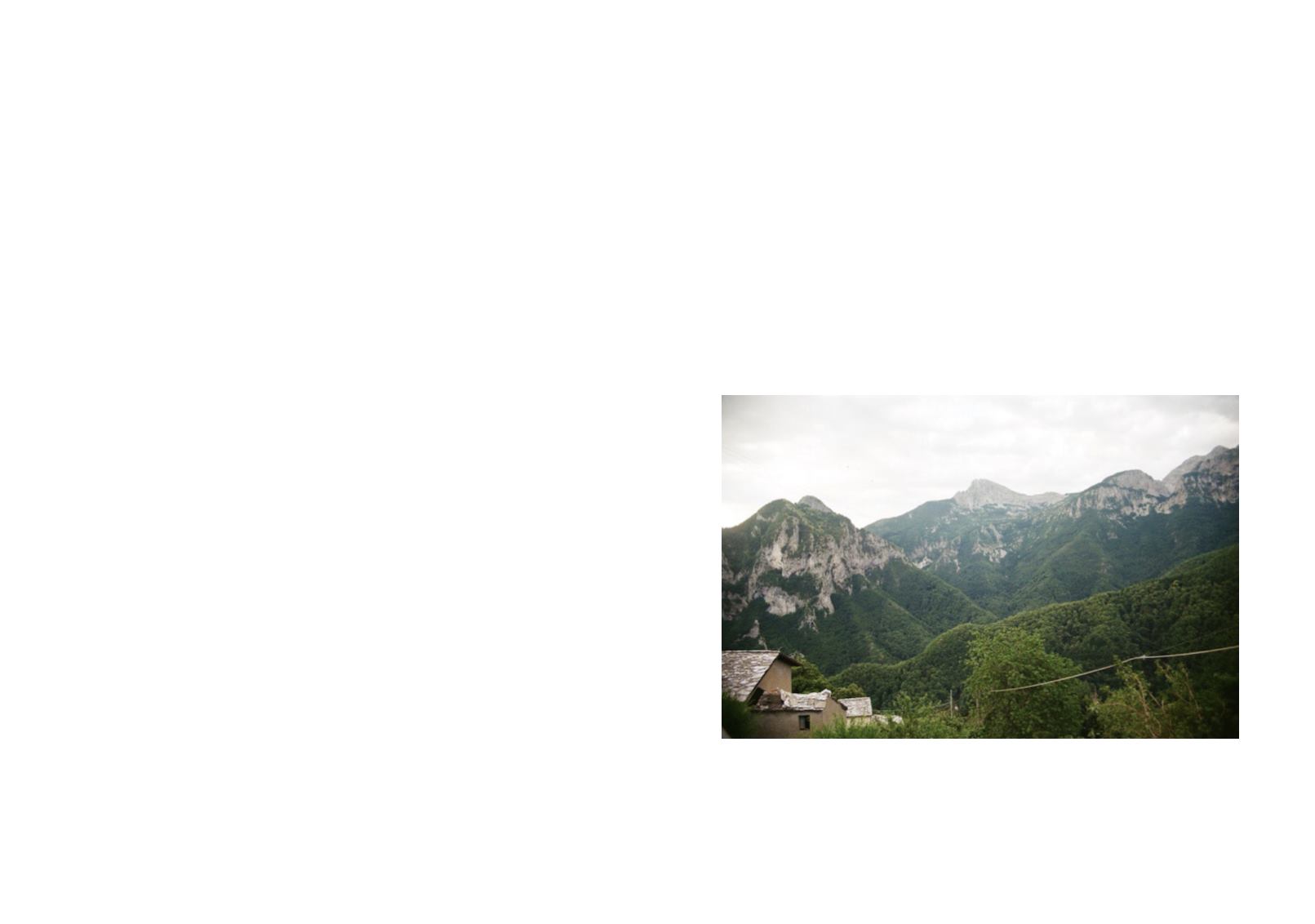
Cecilia Lopez-Jordan (FilmPhotograph)